
Understanding Infant Safe Sleep: A Comprehensive Guide for New Parents
Introduction
A newborn’s arrival is a happy and life-changing event. Parents are frequently inundated with advice and information about this new arrival, some of the most important of which center on appropriate sleep routines.
Making sure your baby sleeps safely is important for more reasons than just your own mental health. It lowers the chance of SIDS and other infant sleep-related deaths. The goal of this article is to demystify infant safe sleep recommendations so that new parents are equipped with the knowledge they need to allow their infant to sleep in a safe setting.
The Value of Sound Sleep
A parent’s worst nightmare is sudden infant death syndrome (SIDS), which occurs to infants under one year of age. Even while the precise causes of SIDS are still unknown, research has found a number of sleep behaviors that can dramatically lower the risk. It is crucial to understand and put these guidelines into practice for the protection and wellbeing of newborns.
The ABCs of Safe Sleep
The ABCs of safe sleep are as follows: alone, on their back, in a crib, according to the American Academy of Pediatrics (AAP). Let’s dissect these:
Alone: Your baby should sleep alone in their sleep space. This means no sharing the bed with parents, siblings, or pets. While room-sharing (keeping the baby’s sleep area in the same room where you sleep) is recommended for the first six months to a year, bed-sharing is discouraged due to the risks of suffocation and entrapment.
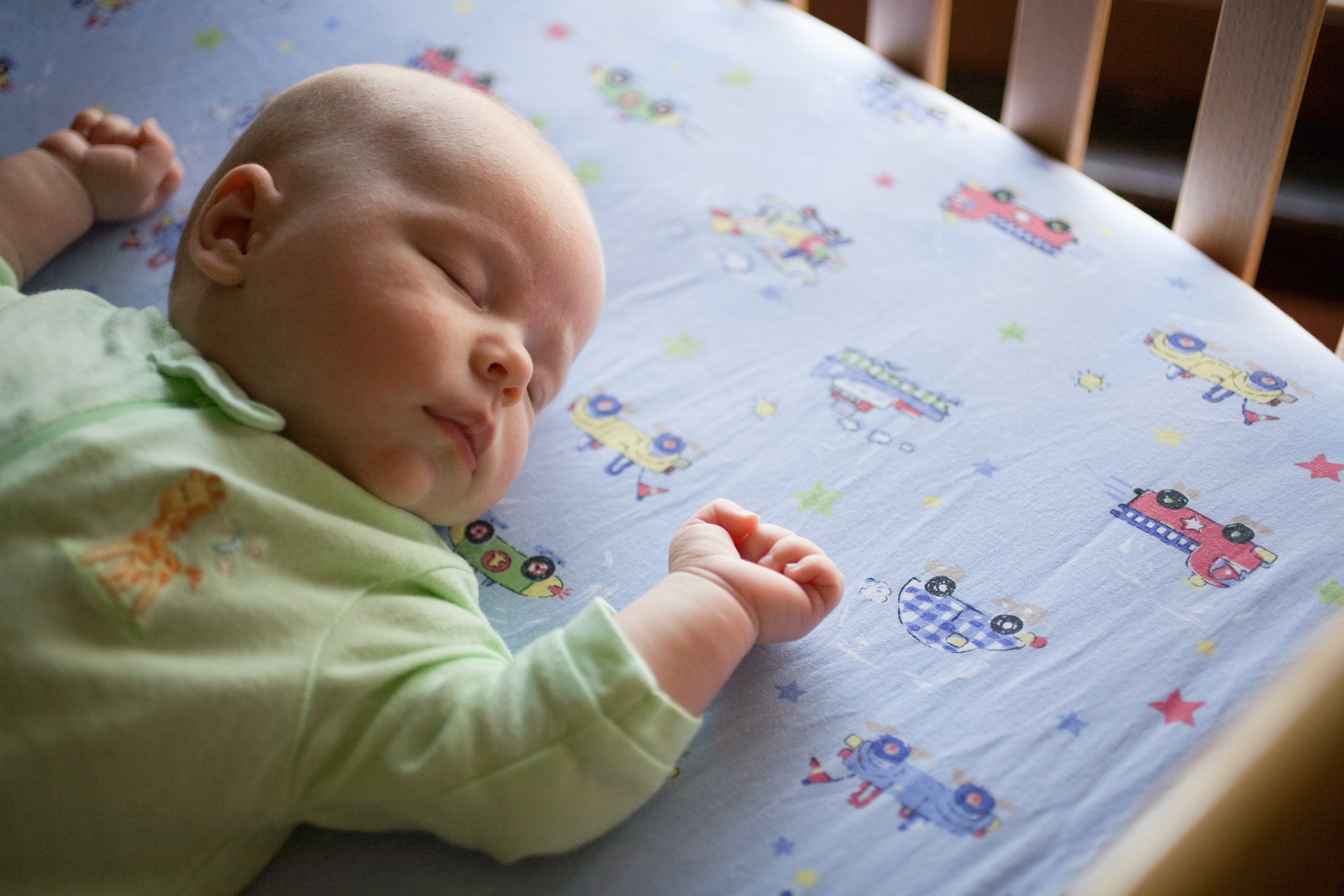
Back: Always place your baby on their back to sleep, for naps and at night. This position has been shown to decrease the risk of SIDS significantly. Once babies can roll from their back to their front and back again on their own, they can be allowed to remain in the sleep position they choose.
Crib: Babies should sleep in a safety-approved crib, bassinet, or portable play yard. The sleep surface should be firm and covered with a fitted sheet, with no other bedding or soft objects. This means no pillows, blankets, bumper pads, or stuffed animals.
Establishing a Secure Sleep Space
Apart from the ABCs, there are various more aspects to take into account when establishing a secure sleeping environment:
Room Temperature: Maintain a temperature in the space that an adult wearing light clothing would find comfortable. There is evidence linking overheating to a higher risk of SIDS. Wearable blankets or sleep sacks are examples of sleep gear that you can put on your infant to prevent the need for loose blankets in the crib.
Breastfeeding: Due to its link to a lower incidence of SIDS, breastfeeding is advised. If feeding in bed, however, remember to return the infant to their own sleeping area afterward.
Prevent Smoke Exposure: Keep the area around your infant smoke-free. Secondhand smoke exposure raises the risk of SIDS.
Pacifiers: Providing a pacifier for naps and bedtime may help lower the incidence of SIDS. Wait until nursing is fully established if you choose to breastfeed.
Supervised Tummy Time: Provide your infant with lots of tummy time while they’re awake and under supervision to encourage growth and reduce the likelihood of flat patches on their heads.
Handling Difficulties and Fears
Many parents find it difficult to put these rules into practice. It is common to worry about the baby’s comfort, particularly if they appear to sleep better on their side or stomach. Nonetheless, it is safest to sleep on their backs. Infants often grow accustomed to this posture over time.
As technology has advanced, baby monitors and other gadgets have gained popularity. These can ease anxiety, but they shouldn’t take the place of healthy sleeping routines because they haven’t been shown to prevent SIDS.
When to Get Assistance
Never be afraid to ask for assistance if you’re having trouble adhering to safe sleeping practices or if you have worries about your baby’s sleep. Pediatricians can provide direction and assistance. Furthermore, a lot of localities provide parents with tools like crib distribution programs or safe sleep classes.
Providing a secure sleeping environment for your baby is among the most crucial actions you can do as a caregiver to safeguard their health and welfare. You can drastically lower the risk of newborn mortality related to sleep deprivation by adhering to these recommendations and setting up a secure sleeping environment. Consistency is essential, and every sleep time matters.
