
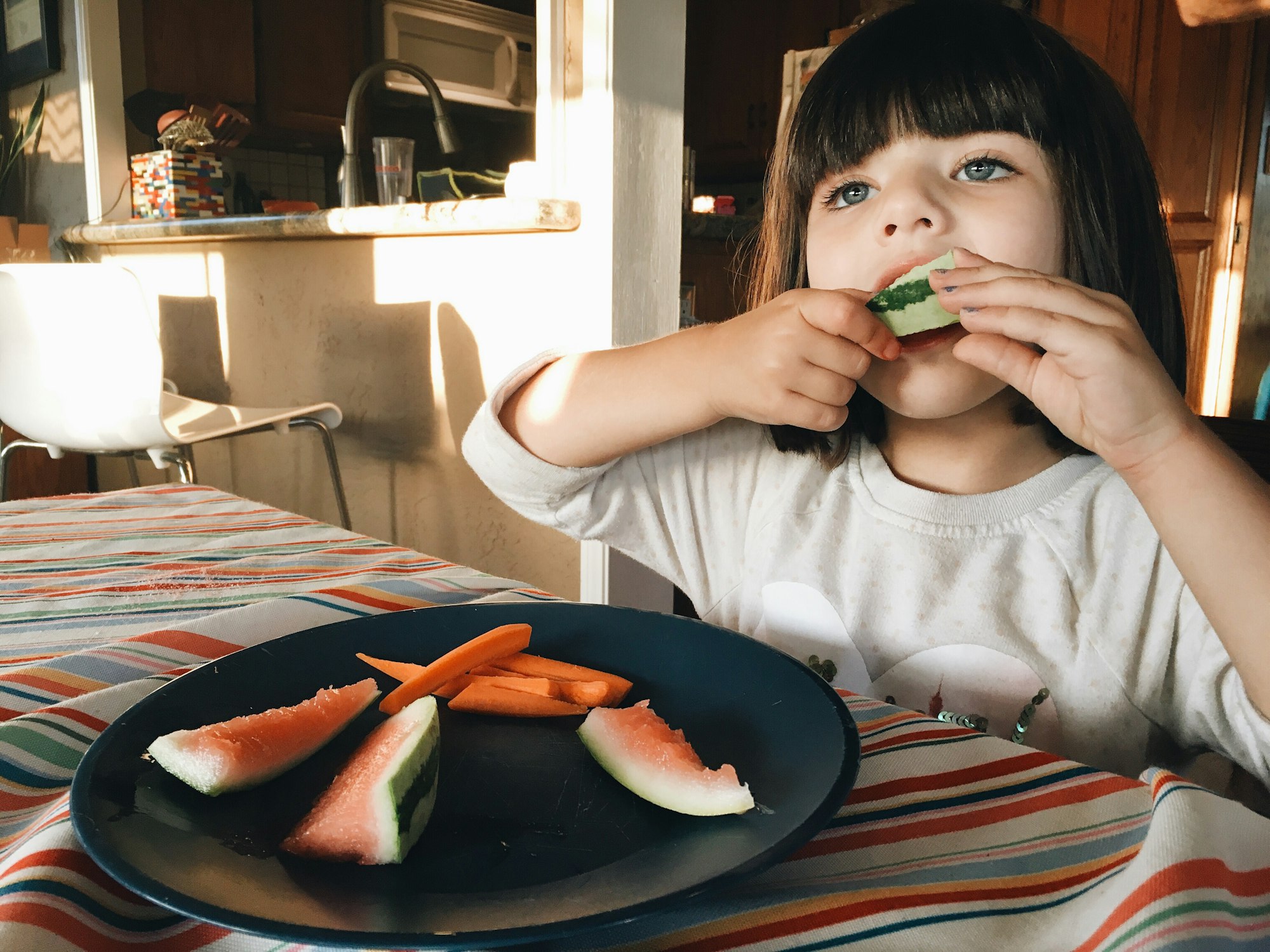
Nutrition and Healthy Eating for Children
Introduction
Feeding children might feel like attempting to tame wild animals at times. Do you get tired of playing the guessing game during meals? Perhaps you’ve wondered what’s best for your child’s health and development. Join us on this gastronomic journey as we delve into the intriguing realm of nutrition and healthy eating for kids. We’ll figure out how to nourish those expanding minds and bodies together.
Nutritional Understanding: The Building Blocks of Growth
Why are vitamins and minerals like best friends you didn’t realize you needed? Let’s look at each key ingredient in more detail:
- Proteins: The building blocks of life. They’re like the LEGO components that go into making a sturdy body. They are necessary for cell growth, repair, and immune system strength. Excellent sources include meat, eggs, beans, and nuts.
- Carbohydrates: Consider carbs to be the fuel for your child’s active day. Kids, like cars, require carbohydrates to function. They deliver quick energy from sources such as whole grains and fruits.
- Fats: Fats are also vital! They act as a warm blanket, supplying energy and promoting brain development. Healthy fats, such as those found in avocados, almonds, and seafood, are necessary.
- Vitamins and minerals: The magic wands that keep everything in balance. From Vitamin A for vision to calcium for strong bones, these nutrients are essential for a child’s health.
The Importance of Providing Balanced Meals to Children
Balance is essential. Here’s how to make a balanced plate:
- Fruits and vegetables: These vibrant treats are high in vitamins and minerals. To ensure a range of nutrients, aim for a rainbow on your plate.
- Whole grains: Provide energy and fiber, allowing your youngster to remain full and attentive.
- Dairy or alternatives: These meals are high in calcium and vitamin D, both of which are necessary for strong bones and teeth.
- Meats, fish, beans, and eggs that are lean: These meals, which are high in protein and iron, are essential for growth and development.
- Water and healthy beverages: Hydration is also essential. Water, milk, or natural juices can be a great addition to any meal.
Problems and Solutions: Picky Eaters, Allergies, and Other Concerns
It can be difficult to navigate the nuances of children’s food preferences and dietary needs. Patience, creativity, and including children in meal preparation can all help. Experiment with different recipes and use shapes and colors to make food more interesting. Understanding specific sensitivities and checking food labels can help to guarantee safety for allergens. It is critical to collaborate with healthcare providers.
Teaching Children Healthy Eating Habits
It is important to instill good behaviors in children at a young age. Consider the following strategies:
- Plan a Food Adventure: Experiment with new flavors and sensations. Encourage them to try new foods without feeling pressed.
- Discuss Food’s Superpowers: Make links between food and its benefits, such as how greens help muscles grow or how fish is good for the brain.
Schools and Communities' Roles
Community support can influence children’s food attitudes. Work with schools to provide nutritious, enticing lunches. Involve children in local food culture by showing them where their food comes from.
Useful Hints and Recipes
Breakfast ideas include whole grain pancakes with berries and spinach scrambled eggs. Lunch options include turkey and avocado wraps and quinoa salad with roasted vegetables. Dinner suggestions include grilled chicken with sweet potatoes and baked fish with steamed broccoli.
The Value of Healthy Snacking
Who doesn’t enjoy a good snack? Children certainly do! However, nibbling does not imply a one-way trip to Candyland. Snacks can be a delicious and nutritious part of your child’s diet if you use some creative thinking.
1. Fruit Kabobs: Allow youngsters to thread fruit onto skewers.
2. Veggie Dips: Serve hummus or yogurt-based dips with vegetable spears.
3. Sandwiches with nut or seed butters on whole grain bread are easy and delicious.
Keep in mind that snacks are mini-meals. They should supplement, not replace, normal meals.
Fostering a Healthy Eating Environment
The dining environment of your child is critical. Consider the kitchen table to be a stage where excellent habits can shine. Eating together encourages healthier food choices and strengthens family relationships. When your child makes healthy choices, praise them. It’s like watering a soon-to-blooming plant! Food should not be used as a reward or punishment. Food should not be used as a negotiating tool. Encouragement, not sweets, should be used to reward positive behavior.
Getting Children Involved in Cooking and Shopping
Children are inherently curious. So why not turn kids into culinary explorers? Cooking in a group is like a fun science experiment. Allow kids to mix, pour, and learn. Turn grocery shopping into a treasure hunt! Allow youngsters to sort produce by color or form.
The Influence of the Media and Advertising
Media can be a difficult terrain to navigate. Teach youngsters that advertising promoting sugary cereals or fast meals do not provide nutritional advice. Encourage children to question and examine what they see on television or online.
Special Dietary Considerations and Needs
Some children have unique needs. Personalized techniques are essential, whether it’s vegetarianism, lactose sensitivity, or medical demands.Consult a Nutritionist or a Medical Professional. Diets tailored to unique demands may necessitate the assistance of a professional. Knowledge enables you both to make sound decisions.
Growing a healthy eater is similar to establishing a garden. It takes time, patience, and love, as well as dealing with a few nasty weeds! But the end result is a thriving, happy child who understands the need of proper nourishment.
Remember that your decisions and actions are the sunlight and rain that nourish this garden. Continue to nourish those young brains and bodies with the finest you have to offer, and watch them blossom. Feeding is an adventure, a delight, and an art form. Enjoy your nourishment!
